
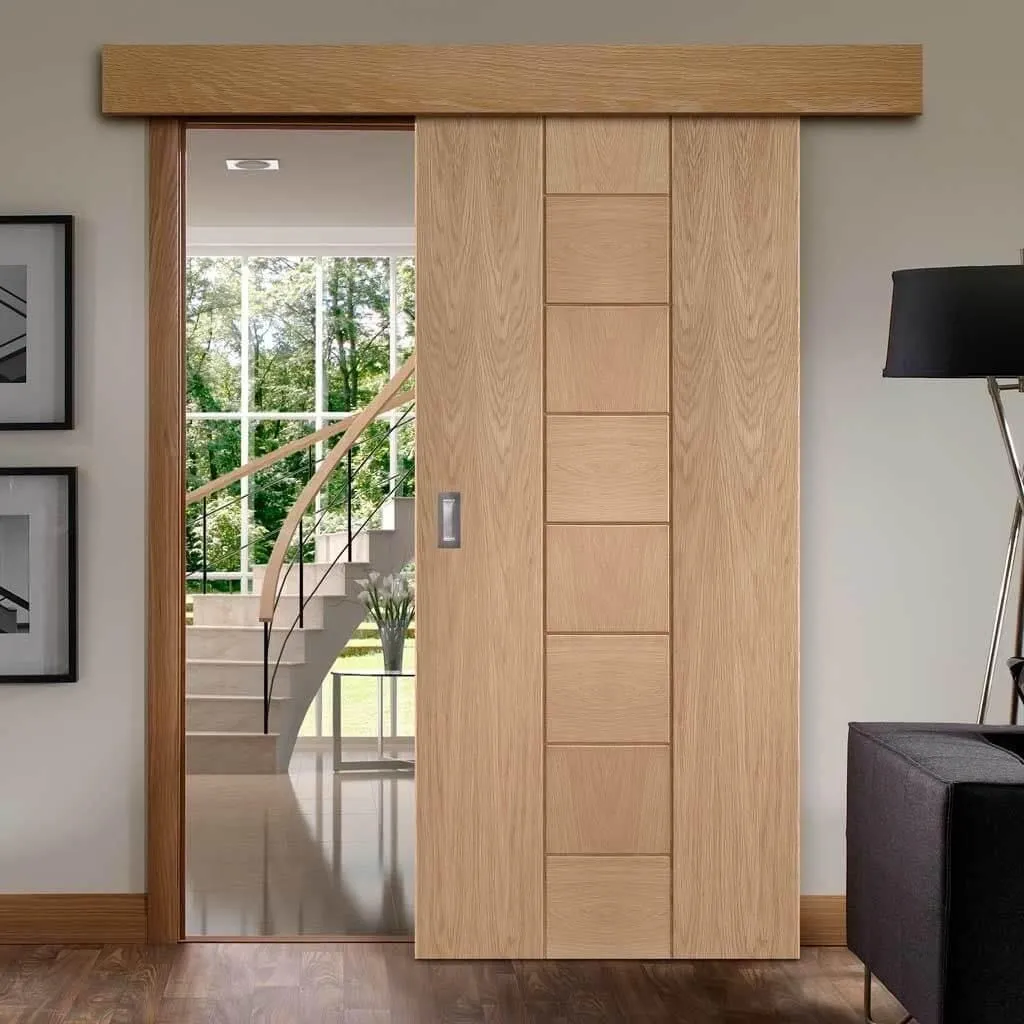
Quick Answer
Doors Abu Dhabi range from solid wood and MDF interior doors to fire-rated and security doors for commercial buildings. Pergolas Dubai are outdoor structures — typically aluminum, wood, or a hybrid — used to shade terraces, gardens, and majlis seating areas. Sliding doors dubai are increasingly used across Dubai homes and offices to save floor space and connect indoor-outdoor living. Risala Furniture and Interiors LLC designs, supplies, and installs all three across Dubai and Abu Dhabi.
Key Facts Table
| Product | Common Material | Typical Use | Lifespan |
| Doors (Abu Dhabi) | Wood, MDF, steel | Interior, entrance, fire-rated | 15–30+ years |
| Pergolas | Aluminum, timber | Outdoor shading, majlis | 15–25 years |
| Sliding Doors | Aluminum-glass, uPVC | Balconies, room dividers | 15–20+ years |
Introduction
From the front entrance to the outdoor majlis, doors and shading structures shape both the function and first impression of a property. In Abu Dhabi and Dubai, three categories come up repeatedly in renovation and new-build projects: doors for security and interior flow, pergolas for outdoor comfort, and sliding doors for space-saving indoor-outdoor connection. This guide covers what each option offers and how to choose confidently.
Doors in Abu Dhabi: Matching Material to Purpose
Doors serve different functions depending on placement — interior doors prioritize acoustics and aesthetics, while entrance and commercial doors prioritize security and, in many buildings, fire compliance.
Common door types used across Abu Dhabi properties:
- Solid wood doors – durable, premium feel, common for villa interiors and main entrances
- MDF/veneer doors – cost-effective, wide finish options, common in apartments
- Fire-rated doors – required in many commercial and multi-residential buildings under UAE civil defense regulations
- Steel/security doors – used for main entrances, storage rooms, and service areas
Practical tip: Always confirm fire-rating certification in writing for doors installed in commercial buildings or shared residential corridors, as this is typically enforced during civil defense inspections.
Pergolas in Dubai: Outdoor Comfort That Lasts
A pergola is an open or partially covered outdoor structure, typically built from aluminum or timber, used to provide shade over terraces, pool decks, and garden seating areas. Given Dubai’s intense summer heat, pergolas have become a standard feature in villa landscaping and outdoor majlis design.
Pergola material comparison:
| Material | Maintenance | Weather Resistance | Typical Cost |
| Aluminum | Low | Excellent | Medium–High |
| Timber | Moderate–High | Moderate (needs treatment) | Medium |
| Bioclimatic (louvered) | Low | Excellent | High |
Step-by-step pergola planning:
- Site assessment and sun-path analysis
- Material selection based on maintenance preference
- Structural design and permit check (if required by the community/municipality)
- Foundation and frame installation
- Roofing/louver or fabric cover installation
- Lighting and fan integration (optional)
Bioclimatic pergolas with adjustable louvers have grown in popularity in Dubai because they allow homeowners to control shade and ventilation without a fixed structure blocking airflow entirely.
Sliding Doors: Space-Saving, Light-Maximizing
Sliding doors move horizontally along a track rather than swinging open, making them ideal where floor space is limited or where a seamless indoor-outdoor connection is desired. In Dubai, sliding doors are commonly specified for:
- Balcony and terrace access points
- Room dividers between living and dining areas
- Villa pool-facing living rooms
Types of sliding doors:
- Aluminum-framed glass sliding doors – common for balconies and terraces
- uPVC sliding doors – energy-efficient, good thermal insulation
- Pocket sliding doors – slide fully into the wall cavity for a completely open transition
Practical tip: For rooms facing direct afternoon sun, specify double-glazed, low-E coated glass on sliding doors to reduce heat gain and cooling costs.
Doors vs Pergolas vs Sliding Doors: Comparison Table
| Factor | Doors (Interior/Entrance) | Pergolas | Sliding Doors |
| Primary Function | Security, privacy, access | Outdoor shading | Space-saving access, light |
| Typical Setting | Indoor, entrances | Outdoor terraces, gardens | Balconies, room dividers |
| Installation Complexity | Low–Medium | Medium–High | Medium |
| Weather Exposure | Indoor doors: none | Full exposure | Partial (glass, sealed frame) |
Actionable Tips
- For entrance doors, prioritize security certification over aesthetics alone.
- For pergolas, factor in wind loading — Dubai’s occasional strong winds require a properly anchored structure.
- For sliding doors, check the track and roller quality, as this determines long-term smoothness of operation.
- Request fire-rating documentation for any door installed in shared or commercial corridors.
- Ask your contractor, such as Risala Furniture and Interiors LLC, for a maintenance guide specific to each material.
Frequently Asked Questions
1. Do pergolas need a permit in Dubai? Requirements vary by community and structure size; it’s advisable to check with your community management or the relevant municipal authority before installation.
2. What is the difference between a pergola and a gazebo? A pergola typically has an open or slatted roof for partial shade, while a gazebo usually has a fully enclosed, solid roof.
3. Are fire-rated doors mandatory in Abu Dhabi apartments? Many multi-residential and commercial buildings require fire-rated doors on corridors and stairwells per UAE civil defense regulations — always confirm with your building’s compliance documentation.
4. Can sliding doors be used for interior room dividers? Yes, pocket and track-mounted sliding doors are commonly used indoors to divide living and dining spaces without permanent walls.
5. How long do aluminum pergolas last in Dubai’s climate? Well-maintained aluminum pergolas typically last 15–25 years due to their resistance to corrosion and UV degradation.
6. What’s the benefit of bioclimatic pergolas over fixed pergolas? Bioclimatic (louvered) pergolas allow adjustable shade and rain protection, offering more flexibility than a fixed roof.
7. Are sliding doors energy-efficient? Double-glazed sliding doors with thermal breaks and low-E coatings can meaningfully reduce heat transfer compared to single-glazed options.
8. What wood is best for entrance doors in the UAE climate? Hardwoods such as teak or engineered wood with proper sealing perform well against heat and humidity fluctuations.
9. How often should pergola timber be treated? Timber pergolas typically need re-sealing or re-staining every 1–2 years depending on sun exposure.
10. Where does Risala Furniture and Interiors provide its services? Risala Furniture and Interiors LLC provides its services in UAE ,OMAN , QATAR , SAUDI ARABIA , KUWAIT , BAHRAIN and all across the Gulf and Middle East region.
Key Takeaways
- Door choice should be driven by function first: security, fire rating, or interior aesthetics.
- Pergolas are a practical, increasingly popular solution for outdoor comfort in Dubai’s climate.
- Sliding doors save space and improve natural light while connecting indoor and outdoor areas.
- Certification and material quality matter more than surface finish alone.
- Risala Furniture and Interiors LLC covers design, supply, and installation for all three categories.
Conclusion
Doors, pergolas, and sliding doors each play a distinct role in how a Dubai or Abu Dhabi property functions day to day — securing entrances, shading outdoor living, and connecting indoor spaces to the outdoors. Getting material and specification right upfront avoids costly replacements later. Risala Furniture and Interiors LLC can guide your project from design through installation across Dubai and Abu Dhabi.
📍 Visit us: maps.app.goo.gl/igmNHkW1QCyL19wT7?g_st=ac