
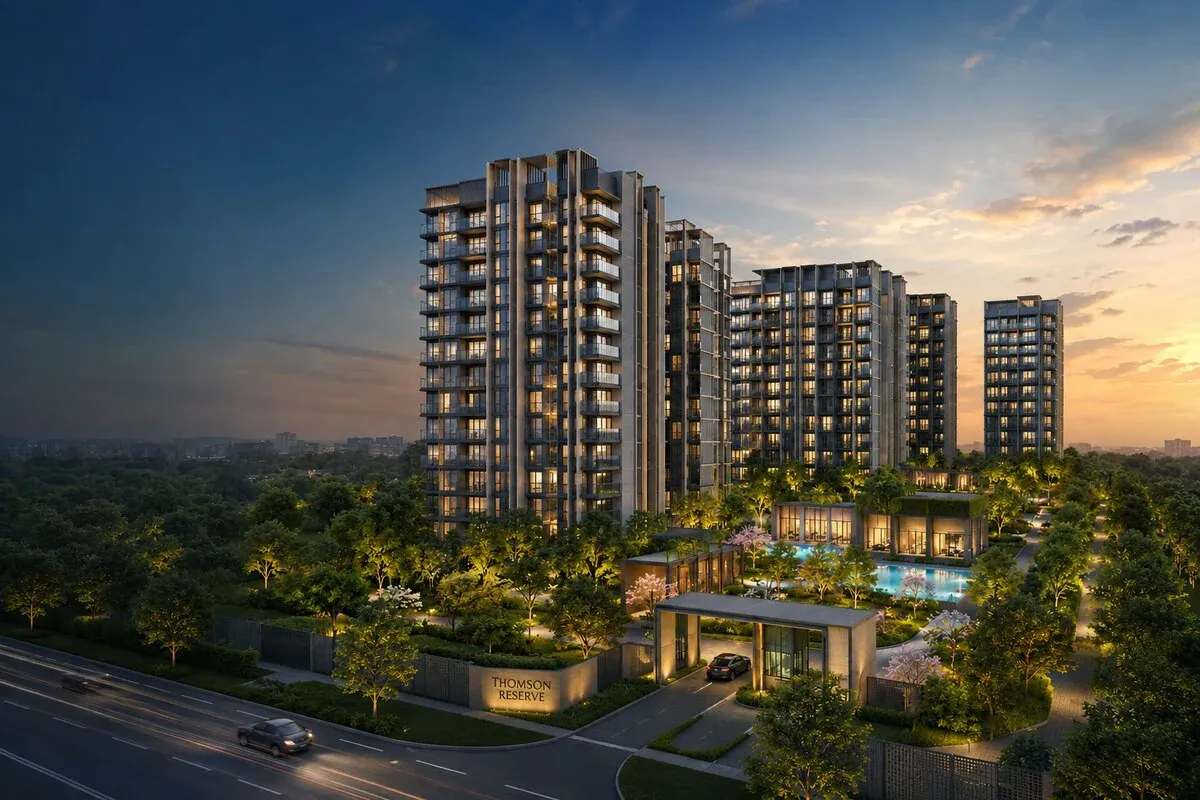
Singapore’s private residential market continues to draw savvy investors who prioritize connectivity and long-term capital appreciation. Nestled near the tranquil yet highly accessible Upper Thomson MRT station, Thomson Reserve stands out as a premier residential development for those looking to expand their real estate portfolios. Securing a unit in this sought-after enclave requires a deep understanding of local market dynamics and entry costs. Investors must evaluate historical transaction data, nearby launch prices, and future infrastructure developments to make an informed purchase. This guide provides essential pricing strategies and market insights to help you secure the best possible deal in this premium residential development.
Decoding the Baseline Market Value
Analyzing District 20 Transaction Trends
To establish a realistic investment budget, you must first analyze the historical transaction data of District 20. Over the past five years, properties near Upper Thomson Road have shown resilient price growth, driven by the completion of the Thomson-East Coast Line. When evaluating Thomson Reserve pricing, compare the projected per-square-foot (PSF) rates against neighboring developments like Thomson Impressions and Lattice One. This comparison reveals whether the developer is pricing the project at a fair market value or a premium.
Evaluating Premium vs. Realistic Valuations
Look closely at the premium factors, such as direct access to green spaces like MacRitchie Reservoir and proximity to prestigious schools like Ai Tong School. These amenities justify a higher entry price because they directly translate to stronger rental demand and secondary market appeal. However, avoid paying a speculative premium that outpaces the organic growth of the neighborhood. Analyze recent caveats lodged in the area to determine the actual transacted prices rather than relying solely on asking prices. This data-driven approach ensures you do not overpay at launch, preserving your potential capital gains from day one.
Additionally, study the land bid prices submitted by developers during the Government Land Sales (GLS) tenders. Land costs, construction overheads, and developer profit margins heavily influence the final launch prices. By calculating these underlying costs, you can estimate the developer’s break-even price and determine if the launch-day discounts represent genuine value or merely marketing tactics.
Leveraging Early-Bird Discounts and VVIP Previews
The Power of Direct Developer Sales
The most effective way to secure a favorable entry price is by participating in the initial VVIP preview phase. Developers typically offer early-bird discounts to build sales momentum and generate positive market sentiment. Securing a unit at Thomson Reserve during this early window ensures you purchase at the lowest possible price tier before subsequent price increases. As sales milestones are met, developers routinely increase prices for remaining units, making early entry a key driver of immediate paper gains.
Navigating the Expression of Interest (EOI) Process
To participate in these previews, you must submit an Expression of Interest (EOI) along with a check. This process does not commit you to a purchase but grants you an early queue number on launch day. Work with a registered real estate agent who has direct ties to the developer’s sales team to gain insights into unit availability and pricing tiers. During the booking day, remain flexible with your unit choices. If your preferred stack is sold out, have secondary options prepared that offer similar layout efficiencies and view orientations. This flexibility prevents impulsive decisions under high-pressure launch conditions, allowing you to secure a unit that aligns with your financial goals.
Assessing Rental Yield and Tenant Demographics
Identifying the Target Tenant Pool
An investor’s entry price must always align with realistic rental yield projections. The Upper Thomson area attracts a diverse mix of tenants, including expatriates working in the central business district, medical professionals from nearby health hubs, and families seeking proximity to reputable schools. Understanding these demographics helps you select the right unit size. For instance, one- and two-bedroom units often yield higher rental returns per square foot, making them highly attractive for yield-focused investors.
Calculating Net Yield Against Entry Costs
When analyzing Thomson Reserve pricing, do not just focus on the gross rental yield. Calculate the net rental yield by factoring in maintenance fees, property taxes, agent commissions, and potential vacancy periods. A gross yield of three to four percent is typical for this premium location, but minimizing your initial purchase price boosts your net returns significantly. Additionally, consider the impact of the Thomson-East Coast Line on rental demand. Properties within walking distance of MRT stations experience shorter vacancy periods and command premium rental rates. Compare these projected rental incomes against your monthly mortgage obligations to ensure a healthy cash flow, especially in a fluctuating interest rate environment.
Choosing the Right Unit Layout and Facing
Understanding Stack and Floor Premiums
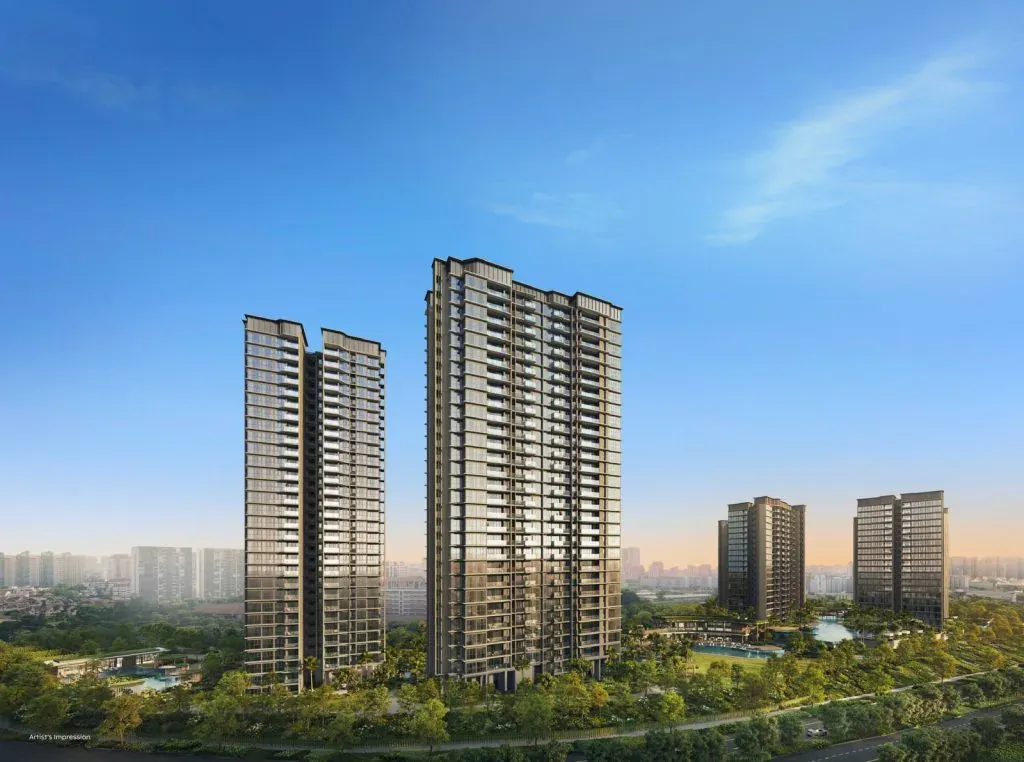
Not all units within a development are priced equally. Developers apply premiums based on floor level, facing, and layout efficiency. Units facing landed housing estates or nature reserves command a premium due to unblocked views and reduced road noise. When studying the Thomson Reserve pricing structure, evaluate whether a higher floor is worth the price jump. Typically, floor premiums range from $3,000 to $10,000 per level. If the view from a mid-level unit is comparable to a high-level unit, opting for the lower floor saves capital while maintaining similar rental potential.
Prioritizing Functional Layouts Over Aesthetic Features
Focus on functional layouts that maximize usable space. Avoid units with excessively large balconies, long hallways, or odd-shaped corners that add to the overall square footage without adding real utility. Efficient dumbbell layouts, where bedrooms are situated on opposite sides of the living room, are highly popular among tenants and buyers alike because they eliminate wasted corridor space. Investing in an efficient layout at Thomson Reserve ensures you pay for functional space rather than dead areas, maximizing your investment efficiency and ensuring easier exit strategies in the future.
Conclusion
Investing in a premium property near Upper Thomson MRT requires a balanced approach of patience, research, and decisive action. By analyzing transaction trends, leveraging early-bird launch discounts, and focusing on functional unit layouts, you can secure a highly profitable asset. Thomson Reserve offers an exceptional blend of urban connectivity and natural tranquility, making it a standout choice for discerning investors. However, success ultimately depends on entry-price discipline and a clear understanding of your financial limits. Keep these pricing tips in mind, conduct thorough due diligence, and you will be well-positioned to capitalize on the long-term growth of this vibrant residential enclave.